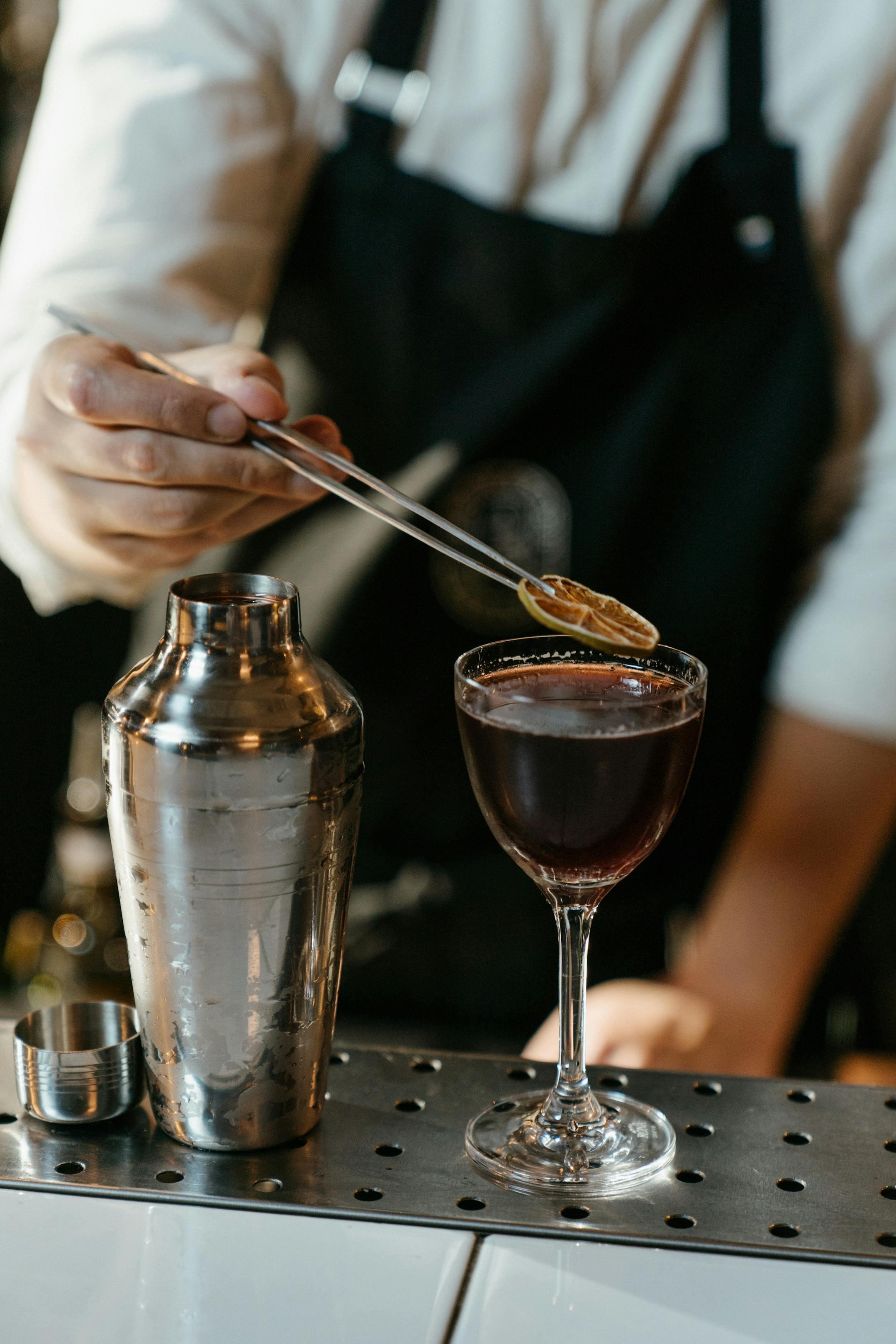
When people think about hiring bartenders, they usually focus on the fun stuff: signature cocktails, cute bar setups, maybe a custom drink named after the couple or company.
But there’s a less glamorous question that matters even more:
“Are your bartenders licensed and insured?”
If the answer is no — or “I’m not sure” — that’s a problem.
Here’s why licenses and insurance are non-negotiables when someone is serving alcohol at your event.
A licensed bartender has met the requirements to serve alcohol in their state or locality. That often includes:
In other words, a license is evidence that your bartender has at least a baseline understanding of safe and legal alcohol service — not just how to shake a good martini.
An unlicensed server, on the other hand, may have zero formal training in liability, laws, or risk management. And if something goes wrong, that gap can matter.
Licensing is about permission and training.
Insurance is about protection.
When alcohol is involved, the risk profile changes drastically. If a guest is overserved and later:
multiple people can end up pulled into the fallout — including the bartender, the catering company, the venue, and sometimes even the host.
That’s where liquor liability insurance comes in. Policies are designed to help cover:
Many venues now insist that bartenders be both licensed and insured before they are allowed to work on property — because they know how quickly an alcohol-related incident can escalate.
There are two big concepts you’ll see thrown around: host liquor liability and liquor liability.
Even if you purchase a special event policy as a host, your coverage may not fully protect the venue or the bartender if they don’t have their own liquor liability insurance.
That’s why venues and smart hosts prefer bartending companies that carry their own coverage — it spreads risk properly and gives everyone a stronger safety net.
Beyond the legal and insurance side, bartenders who are licensed and insured tend to:
You’re not just hiring someone to open bottles — you’re trusting them with your guests, your venue, and your reputation. Choosing licensed and insured professionals is one of the easiest ways to level up the entire event.
Before you sign with any bartending service, ask:
If they hesitate, change the subject, or can’t provide documentation, that’s a red flag.
If you’re thinking, “Wow, there’s a lot more to this than I realized” — you’re exactly who we had in mind.
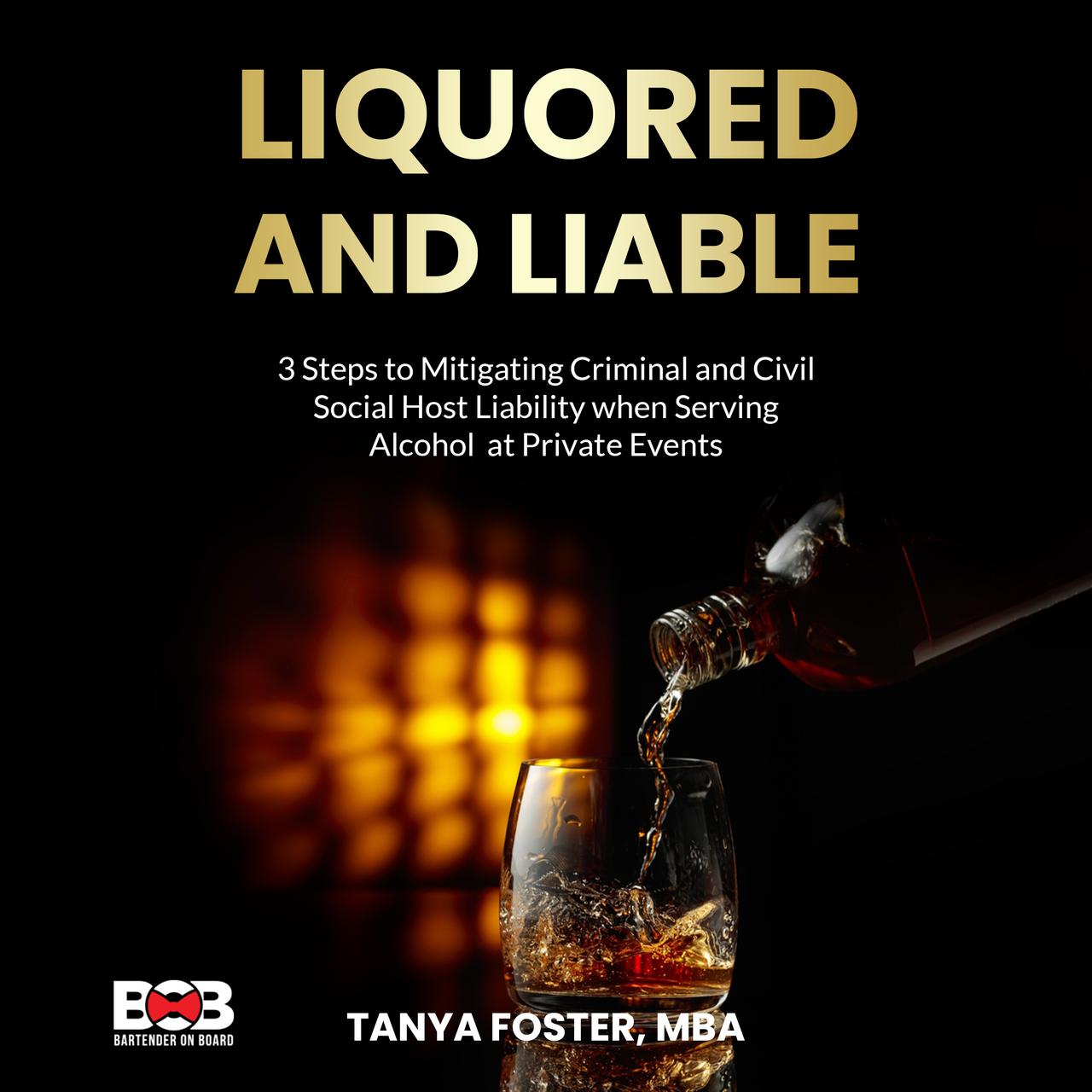
Our eBook, Liquored and Liable: 3 Steps to Mitigating Criminal and Civil Social Host Liability when Serving Alcohol at Private Events, was created to help everyday hosts (and even pros) understand how to protect themselves when alcohol is part of the plan.
It’s short, practical, and written in plain language — no law degree required. You’ll learn:
We’re so good at this, we literally wrote the book on it.
Purchase our eBook here!
Grab your copy before your next event and host with confidence.