If you’ve booked an event venue recently, you’ve probably seen a line in the contract that says something like:
“All caterers and bartenders must be licensed and carry liability insurance. Proof required.”
It’s not just red tape. Across the country, more venues are tightening their policies and insisting that anyone serving food or alcohol be properly licensed and insured — especially when alcohol is involved.
Here’s why that’s happening, and what it means for you as a host.
Serving alcohol automatically raises the stakes. If a guest is overserved and later causes an accident or injures someone, multiple parties can be pulled into a claim or lawsuit — including the venue, the caterer, and sometimes even the host.
To reduce that risk, many venues now require:
Why? Because liquor liability insurance can help cover things like third-party injury, property damage, and legal defense costs when an alcohol-related incident occurs. Without it, the venue’s own insurance — or the host’s — may be forced to take the hit.
Requiring licensed, insured vendors is one of the most effective ways for venues to transfer risk away from themselves.
Licensing isn’t just a piece of paper. In many states, bartenders and alcohol caterers must:
For venues, working with licensed vendors means:
When a venue lets an unlicensed caterer serve alcohol on their property, they’re effectively taking on extra risk with no proof that the vendor understands the rules.
These days, it’s common for venues to require all vendors to carry liability insurance — not just those serving alcohol. But when alcohol is in the mix, the expectations are even higher.
For catering companies and mobile bartending services, this usually includes:
If your caterer is serving alcohol without proper liquor liability coverage, the venue may refuse to allow bar service at all. Some will cancel the event if the correct documents aren’t provided by a certain deadline.
Venues know which vendors make their lives easier — and which ones cause problems.
Licensed, insured caterers tend to:
For the venue, that translates to fewer surprises, fewer emergencies, and fewer headaches. So it makes perfect sense that they require (and prefer) vendors who treat events like a real, regulated business — not a side hustle.
If you’re planning an event, especially one with alcohol:
You’re not just paying for food and drinks; you’re paying for peace of mind.
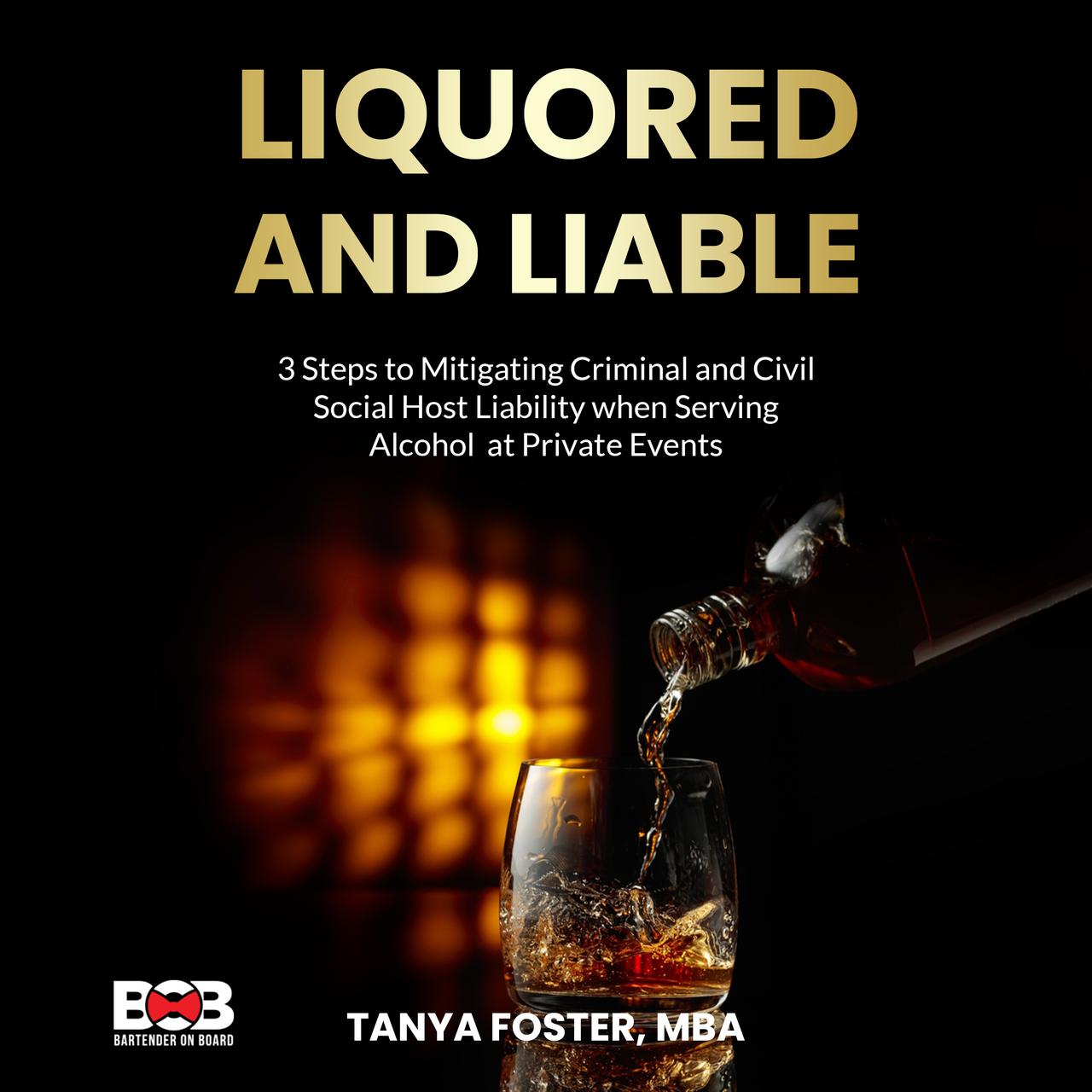
If all of this feels a little overwhelming, you’re not alone. Social host liability, vendor insurance, venue requirements — it’s a lot to keep track of.
That’s exactly why we literally wrote the book on it.
Our eBook, Liquored and Liable: 3 Steps to Mitigating Criminal and Civil Social Host Liability when Serving Alcohol at Private Events, breaks this down in plain language and gives you three clear, practical steps to protect yourself when alcohol is part of your event.
If you want to be the host with the most and the least liability, grab the eBook before your next event — and pour with confidence.